Can a Hyundai EV Handle a Long Seasonal Road Trip?
Yes, a Hyundai EV can handle a long seasonal road trip comfortably, provided you plan around charging access, weather, and your vehicle's actual range. Here at Tustin Hyundai, part of our parent dealer group, Patterson Autos, we help Tustin drivers connect those practical details with the right Hyundai electric vehicle. Whether your itinerary includes a winter mountain destination or a summer highway drive, thoughtful Hyundai EV road trip planning can make the journey feel manageable rather than unfamiliar.
Key Takeaways
- Hyundai electric SUVs such as the IONIQ 5 and three-row IONIQ 9 offer practical options for long-distance travel.
- Plan charging stops around compatible stations, expected arrival charge, and backup locations.
- Cold temperatures, extreme heat, highway speeds, and elevation changes can affect driving range.
- Advertised fast-charging times depend on charger capability, battery temperature, and other conditions.
- Before departure, check tires, charging equipment, vehicle settings, and charging access at your destination.
Can a Hyundai EV Make a Long Road Trip Comfortably?
Comfortable long-distance EV travel starts with choosing a vehicle that fits your passengers, luggage, and route.
IONIQ 9 for Larger Groups
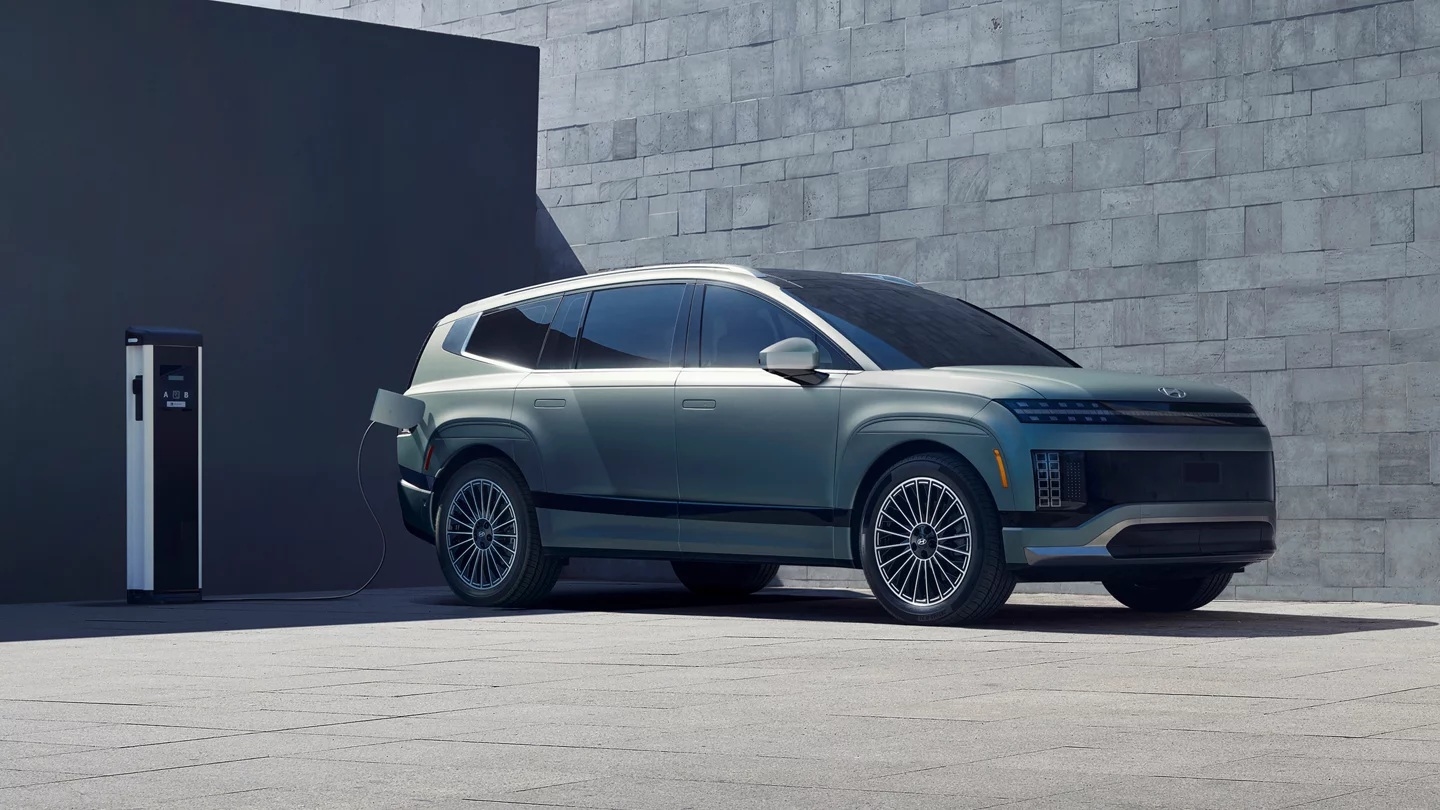
The Hyundai IONIQ 9 offers three rows, making it a natural model to consider when your seasonal travel includes more passengers. Its 2026 S rear-wheel-drive trim has an EPA-estimated range of up to 335 miles, although other trims have different ratings.
IONIQ 5 for Two-Row Travel
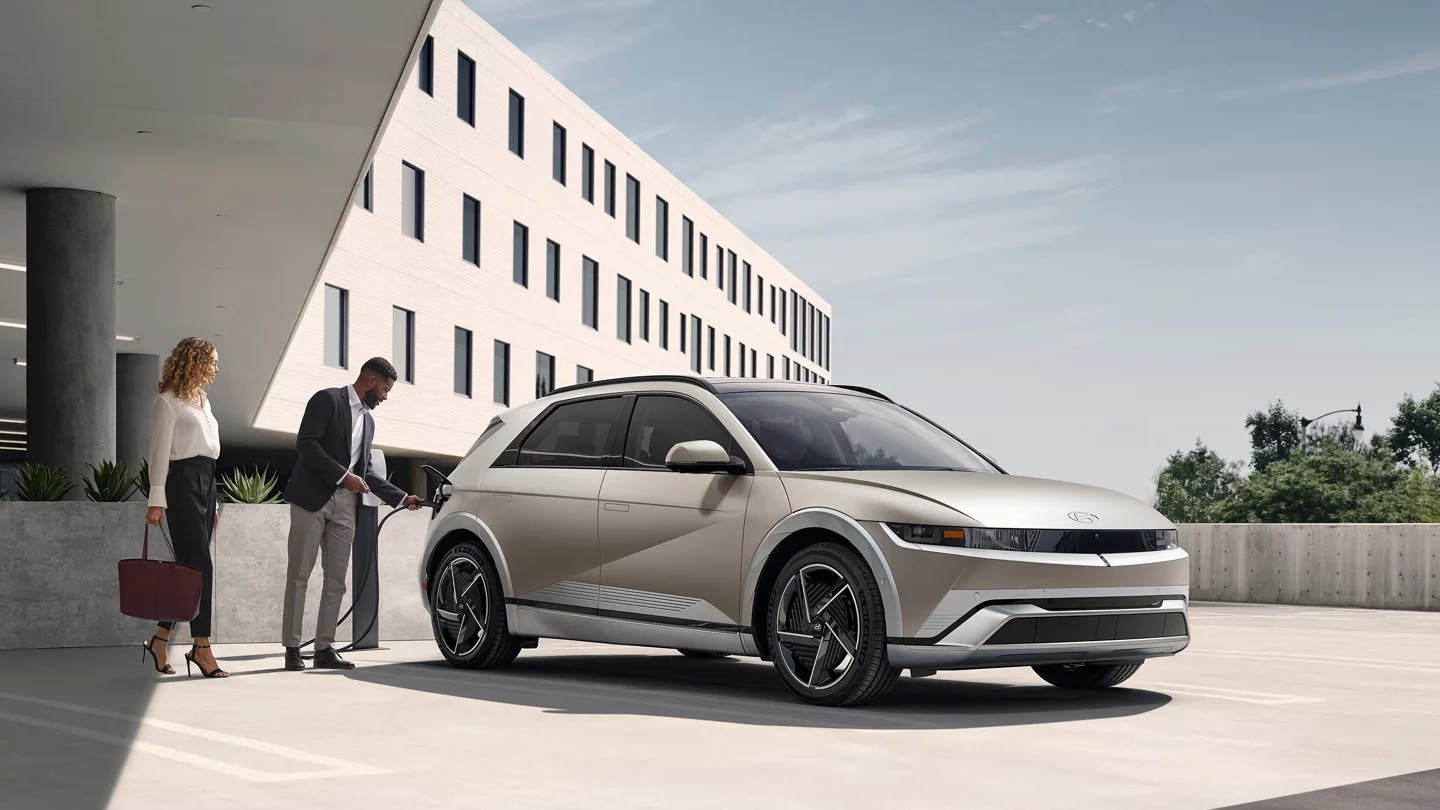
The Hyundai IONIQ 5 offers another approach, pairing an electric SUV layout with a spacious cabin. For shoppers who do not need a third row, it is worth comparing passenger space, cargo arrangements, and the range rating of the specific configuration.
Treat EPA Range as an Estimate
Neither vehicle's EPA estimate should become a promise about the distance between charging stops. Actual range varies with driving conditions, temperature, vehicle configuration, and battery condition. A comfortable trip leaves room for those differences instead of planning every leg around the maximum published figure.
How Should I Plan a Long-Distance Drive From Tustin?
Start with your destination, then map the charging network along the route. For a departure from Tustin, the important question is not simply whether chargers exist nearby. It is whether reliable, compatible stations sit where you will need them farther into the journey.
An initial drive through Irvine may require little adjustment to your normal routine. The planning becomes more important once your itinerary reaches unfamiliar highways, mountain roads, or areas with fewer charging choices.
Route Planning Checklist
Build your EV road trip planning around these details:
- Identify compatible DC fast chargers along each major driving segment.
- Check station status, connector type, access hours, and available charging power.
- Choose a backup location near each planned charging stop.
- Leave a battery reserve for detours, weather changes, or unavailable chargers.
- Confirm whether your hotel or destination offers charging and whether access requires a reservation.
Use the vehicle's navigation tools alongside charging-network information, where available. Update your plan as the estimated arrival charge changes, rather than treating the original schedule as fixed.
How Do Charging Stops Affect a Seasonal EV Road Trip?
Charging stops add time, but that time varies considerably. The vehicle, charger, battery temperature, starting charge level, and station availability all influence the stop.
Fast-Charging Benchmark
For example, Hyundai states that the 2026 IONIQ 9 can charge from 10% to 80% in approximately 24 minutes using a compatible 350-kW, 800V DC fast charger and the included CCS adapter. That is a conditional charging benchmark, not a guarantee for every station or season.
Planning How Much to Charge
Charging also generally slows as the battery approaches full. On many routes, adding enough energy for the next leg plus a reserve makes more sense than waiting for 100% at every stop. A longer stretch with limited charging access may justify a higher departure charge.
Account for time spent leaving the highway, accessing the station, and waiting for an open charger. Verify your Hyundai's charging port and approved adapter requirements before departure because compatibility can vary by model and model year.
What Happens to EV Range in Cold or Hot Weather?
Cold and Hot Temperatures
Weather and EV range are closely connected. Cold temperatures can reduce available battery energy, while cabin heating adds electrical demand. High temperatures can also reduce range as air conditioning and battery temperature management use energy.
A winter mountain trip therefore deserves a different charging plan than a mild-weather coastal drive. Strong headwinds, climbing elevation, and sustained highway speeds can further change energy use. Avoid assuming that any single percentage describes the range loss your Hyundai will experience.
Preconditioning and Summer Planning
Precondition the cabin while plugged in when your vehicle supports it. This lets you heat or cool the interior using the charging connection before departure. Battery preconditioning is a separate function that can help prepare the battery for DC fast charging; follow your model's instructions for activating it.
For summer seasonal driving, check conditions along the entire route, not just the forecast in Tustin. Your destination may demand a larger charging reserve than your starting point.
Which Hyundai Electric SUV Fits Your Trip?
IONIQ 9
The IONIQ 9 deserves a close look if three-row flexibility is central to your plans. Compare the seating configuration and cargo space with the seats positioned as you will actually use them. Passenger capacity and luggage capacity need to work together.
IONIQ 5
The IONIQ 5 may suit drivers who prefer a two-row electric SUV. Compare the exact trim's range, drivetrain, and charging specifications rather than choosing solely by model name. All-wheel drive is worth discussing for routes where traction matters, but it does not replace appropriate tires or compliance with posted chain requirements.
If you are comparing Hyundai electric SUVs for sale in Tustin, browse our current selection or schedule a test drive at Tustin Hyundai. We can help you evaluate seating, review charging specifications, and compare available configurations against your actual itinerary.
What Should I Check Before Taking an EV on a Road Trip?
A useful pre-trip check covers both ordinary vehicle maintenance and EV-specific preparation. Before leaving, review the following:
- Check tire pressure against the vehicle's recommended specification and inspect tire condition.
- Confirm that scheduled maintenance is current and address warning messages.
- Inspect charging cables and approved adapters for damage.
- Set up charging-network accounts and payment methods before reaching a station.
- Review charging limits, navigation settings, and available preconditioning functions.
- Check weather forecasts, road restrictions, and destination charging arrangements.
Planning for charging a Hyundai EV at home also helps you begin with an appropriate departure charge. Follow the owner's manual when setting charging limits, and allow enough time for your home equipment to deliver the energy your route requires.
If you are heading beyond Corona toward a colder or more remote destination, revisit your charging reserve before the longest leg. Visit Tustin Hyundai in Tustin, part of our parent dealer group, Patterson Autos. Our service team can help review maintenance needs and vehicle-specific operating instructions before departure.
*Penned by AI, polished by humans