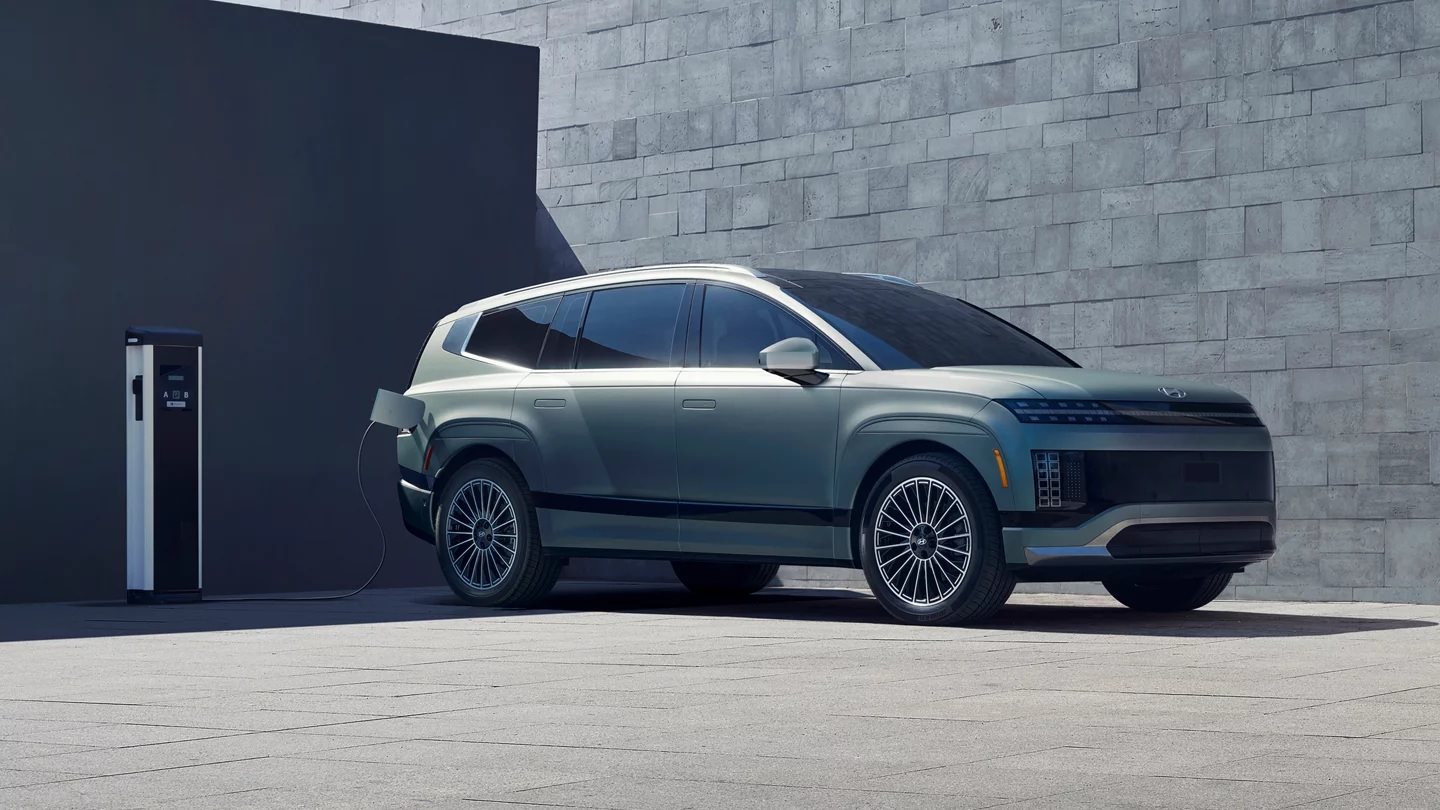
How to Set Up Hyundai EV Home Charging
Travel season is a great time to make sure your Hyundai EV home charging routine is ready for the miles ahead. Whether you drive a Hyundai IONIQ 5, IONIQ 6, IONIQ 9, or KONA Electric, a dependable charging setup can help you leave Tustin with the range you need for weekend plans, family visits, or longer California road trips. At Tustin Hyundai, part of Patterson Autos, we help local drivers prepare their Hyundai electric vehicles for confident everyday driving and travel-season charging.
Key Takeaways
- Level 1 charging uses a standard 120-volt outlet and is best suited to lighter daily driving needs
- Level 2 charging uses 240-volt power and can make home EV charging far more convenient before a trip.
- A qualified electrician should evaluate your home’s electrical capacity before installing a Level 2 charger.
- Safe charging habits include using approved equipment, avoiding extension cords, and checking cables and outlets regularly.
- Plan charging around your departure time so your Hyundai EV is ready when your trip begins.
What Do You Need to Install a Home EV Charger?
A reliable home EV charger setup starts with understanding your vehicle, your driving habits, and your home’s electrical system. Hyundai electric vehicle charging is designed to be flexible, but the right solution depends on how often you drive and how quickly you want to replenish range at home.
For a Level 2 system, you will generally need a compatible charging station, a dedicated 240-volt circuit, appropriate electrical-panel capacity, and professional installation. A licensed electrician can inspect your electrical panel, determine whether it has enough available capacity, recommend a charging location, and identify whether any permits or service upgrades may be required.
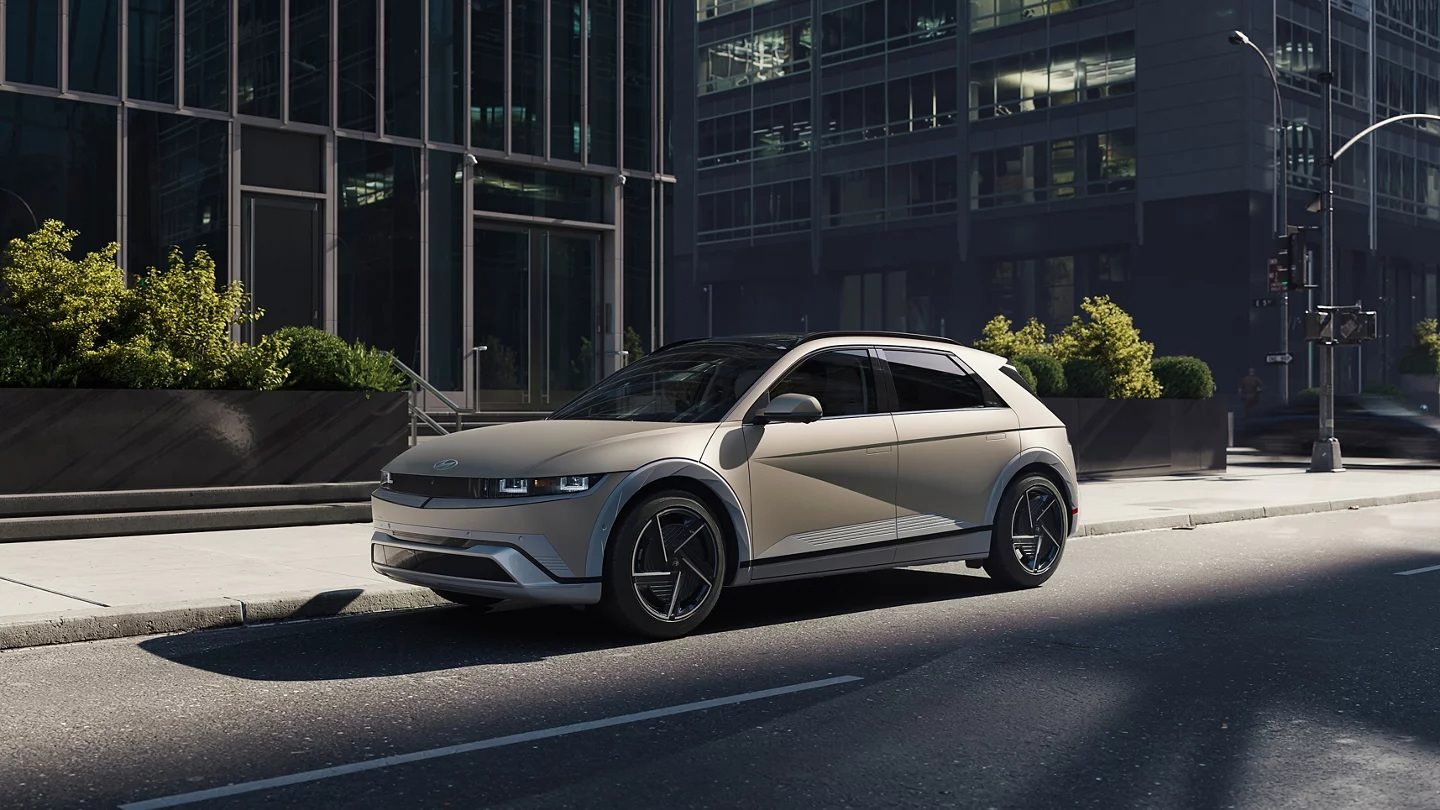
This assessment matters for every Hyundai EV owner, from an IONIQ 6 driver with a daily commute to Irvine to a Hyundai IONIQ 5 owner planning regular family trips from Tustin to Anaheim, Orange, or Corona. The charger should be installed where it is practical to park, where the cable can reach the vehicle without creating a trip hazard, and where the equipment is rated for the environment. If you charge outside, select equipment intended for outdoor installation.
Hyundai provides home-charging information and solutions through Hyundai Home, including Level 2 charging options. A 240-volt Level 2 charger can charge substantially faster than a conventional 120-volt outlet, making it a useful upgrade for drivers who want more flexibility before travel days.
Should You Use Level 1 or Level 2 Charging at Home?
Level 1 charging is the simplest place to begin. It uses a standard 120-volt household outlet and a portable charging device supplied with select Hyundai models. For drivers with predictable, short daily routines, it can be a practical way to add charge overnight or between errands. A Kona Electric owner who drives locally around Tustin may find Level 1 charging workable when the vehicle has long periods parked at home.
The tradeoff is speed. Hyundai notes that Level 1 charging takes significantly longer than other charging methods, so it may not be the best fit when you need to rebuild a large amount of range before an early departure.
Level 2 charging is often the more convenient choice for travel-season planning. It requires specialized equipment connected to a 240-volt circuit, similar to the electrical supply used for major household appliances. Depending on the Hyundai model and charging conditions, a full charge can take as little as about seven hours.
For example, if your Hyundai IONIQ 5 is returning home after a busy week of commuting and you are leaving for Palm Springs the next morning, a Level 2 charger can make it easier to charge overnight rather than rearranging your day around public charging. The same convenience can benefit Hyundai IONIQ 9 drivers who want to begin a family road trip with a planned state of charge.
For example, if your Hyundai IONIQ 5 is returning home after a busy week of commuting and you are leaving for Palm Springs the next morning, a Level 2 charger can make it easier to charge overnight rather than rearranging your day around public charging. The same convenience can benefit Hyundai IONIQ 9 drivers who want to begin a family road trip with a planned state of charge.
When comparing Hyundai EV models or exploring the available vehicles on our lot, we can help you consider how charging speed, range needs, and household routines fit your ownership experience. Browse our current selection or schedule a test drive at Tustin Hyundai to see which Hyundai EV best matches your travel plans.
How Can Tustin Drivers Prepare for Travel Season?
Home charging preparation should happen before the day you pack the vehicle. Start by thinking about the route, expected mileage, overnight stops, weather, passenger load, and the type of driving you expect. Highway speeds, elevation changes, air conditioning, and cargo can affect real-world energy use, so leave a reasonable range cushion rather than planning around the exact estimated distance displayed in the vehicle.
Set a routine that supports your departure schedule. If your trip begins early in the morning, connect your Hyundai IONIQ 6 or Kona Electric the evening before and confirm that charging has started normally. If your vehicle and charger settings allow scheduled charging, set the schedule early and verify it at least once before relying on it for an important trip.
It is also smart to check public charging along the route, even when you expect to leave with a high battery level. Home charging gives you a reliable starting point, while public charging can support longer drives beyond Orange County. Hyundai EV drivers traveling from Tustin toward San Diego, Los Angeles, the desert, or Northern California should know their primary charging stops and have backup options in mind.
For many drivers, the best home EV charger setup is not simply the fastest possible charger. It is the setup that consistently fits their schedule, vehicle, and electrical system. That kind of planning creates more confidence whether you drive a Hyundai IONIQ 5 for weekend adventures or use an IONIQ 9 to carry the whole family.
What EV Charging Safety Checks Matter Most?
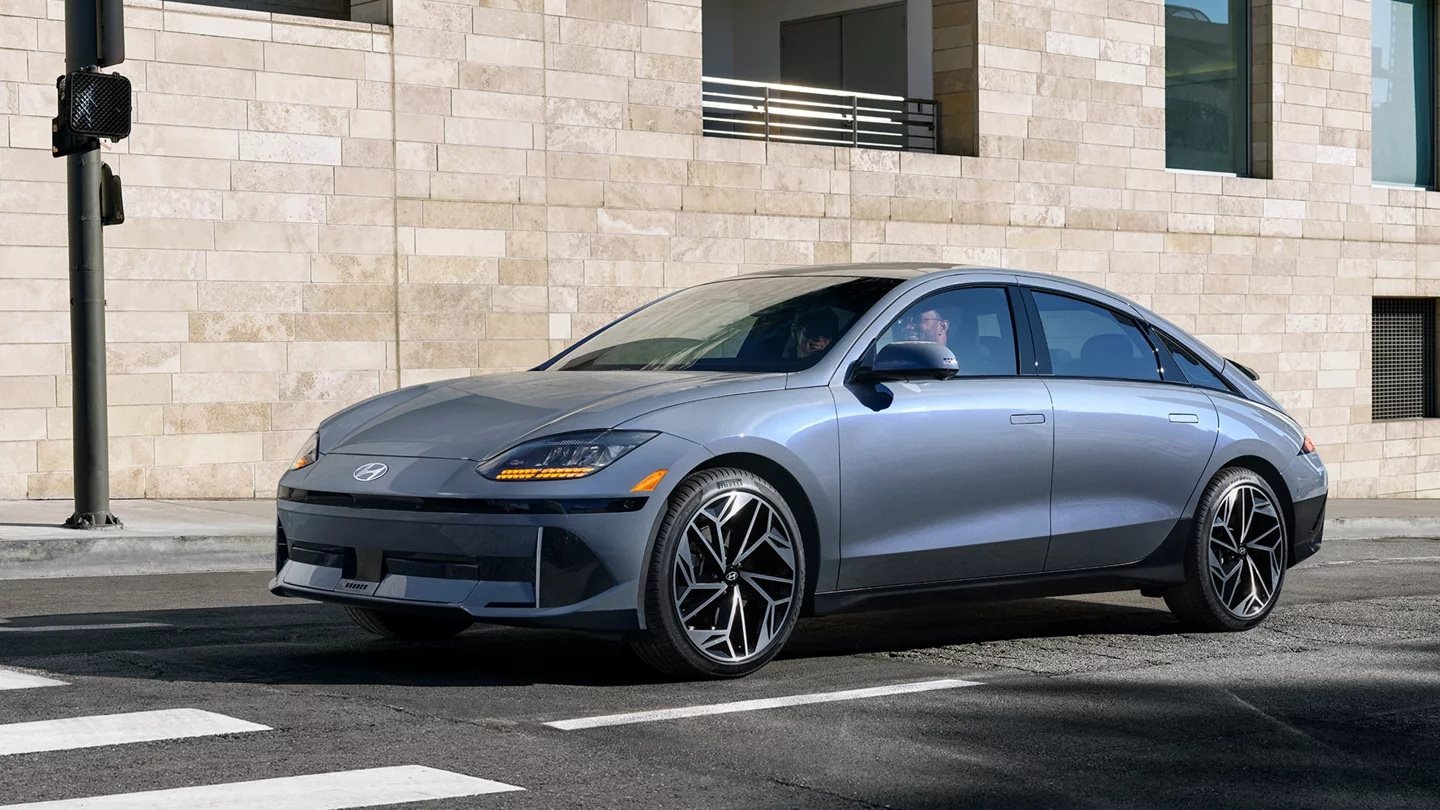
EV charging safety begins with proper equipment and proper installation. Have a qualified electrician inspect your home’s electrical system before adding a Level 2 charger. Charging equipment should be certified by a recognized testing laboratory, and Level 2 equipment should be installed by a qualified electrician.
Before relying on home charging for travel season, complete a simple safety check:
- Inspect the charging cable and connector for visible wear, cracks, discoloration, or damage.
- Make sure the outlet, charging station, and connector remain dry and clean.
- Avoid household extension cords for EV charging.
- Keep the cable routed safely to reduce tripping risk and prevent unnecessary strain on the cord.
- Confirm that outdoor equipment is rated for outdoor use.
- Watch for repeated charging interruptions, unusual heat, damaged outlet covers, or warning messages, and have concerns checked promptly.
For Level 1 charging, use a dedicated circuit whenever possible and follow the Hyundai owner’s manual for your specific vehicle. Electrical safety guidance also recommends GFCI protection and manufacturer-provided charging equipment for Level 1 charging. These straightforward habits help protect both your vehicle and your home while giving you more confidence in your Hyundai electric vehicle charging routine.
Start Your Next Trip Prepared
A well-planned home EV charger setup can turn travel-day charging from a last-minute task into a simple overnight routine. Whether Level 1 charging fits your lifestyle or a professionally installed Level 2 system makes more sense, the goal is the same: begin every trip with a safe, reliable, and convenient charge.
Visit Tustin Hyundai, part of Patterson Autos, to browse our current Hyundai EV inventory, compare available models in person, and schedule a test drive in Tustin. Our team can help you explore the IONIQ 5, IONIQ 6, IONIQ 9, KONA Electric, and other vehicles in stock while you prepare for travel season with confidence.