Which Hyundai EV Fits You: IONIQ 5, 6, or 9?
Choosing a Hyundai electric vehicle starts with how you actually drive, not just which design catches your eye. Tustin Hyundai, part of our parent dealer group, Patterson Autos, helps shoppers compare everyday priorities, from commuting and parking to passenger space and charging access. In an IONIQ 5 vs IONIQ 6 vs IONIQ 9 comparison, the clearest distinction is simple: crossover versatility, sedan efficiency, or three-row family space. Here is how those differences translate to life around Tustin.
Key Takeaways
- The IONIQ 5 combines five-passenger seating with a rear hatch and flexible cargo space.
- The IONIQ 6 suits drivers who prefer an aerodynamic sedan and prioritize commuting efficiency.
- The IONIQ 9 offers three rows and seating for six or seven, depending on configuration.
- Charging access, daily mileage, and the exact trim matter more than a model's maximum advertised range.
- Comparing seating, cargo access, and available vehicles in person helps narrow the choice.
What are the main differences between the IONIQ 5, IONIQ 6, and IONIQ 9?
These Hyundai EVs serve different needs rather than simply offering small, medium, and large versions of the same vehicle.
IONIQ 5: The Two-Row Electric Crossover
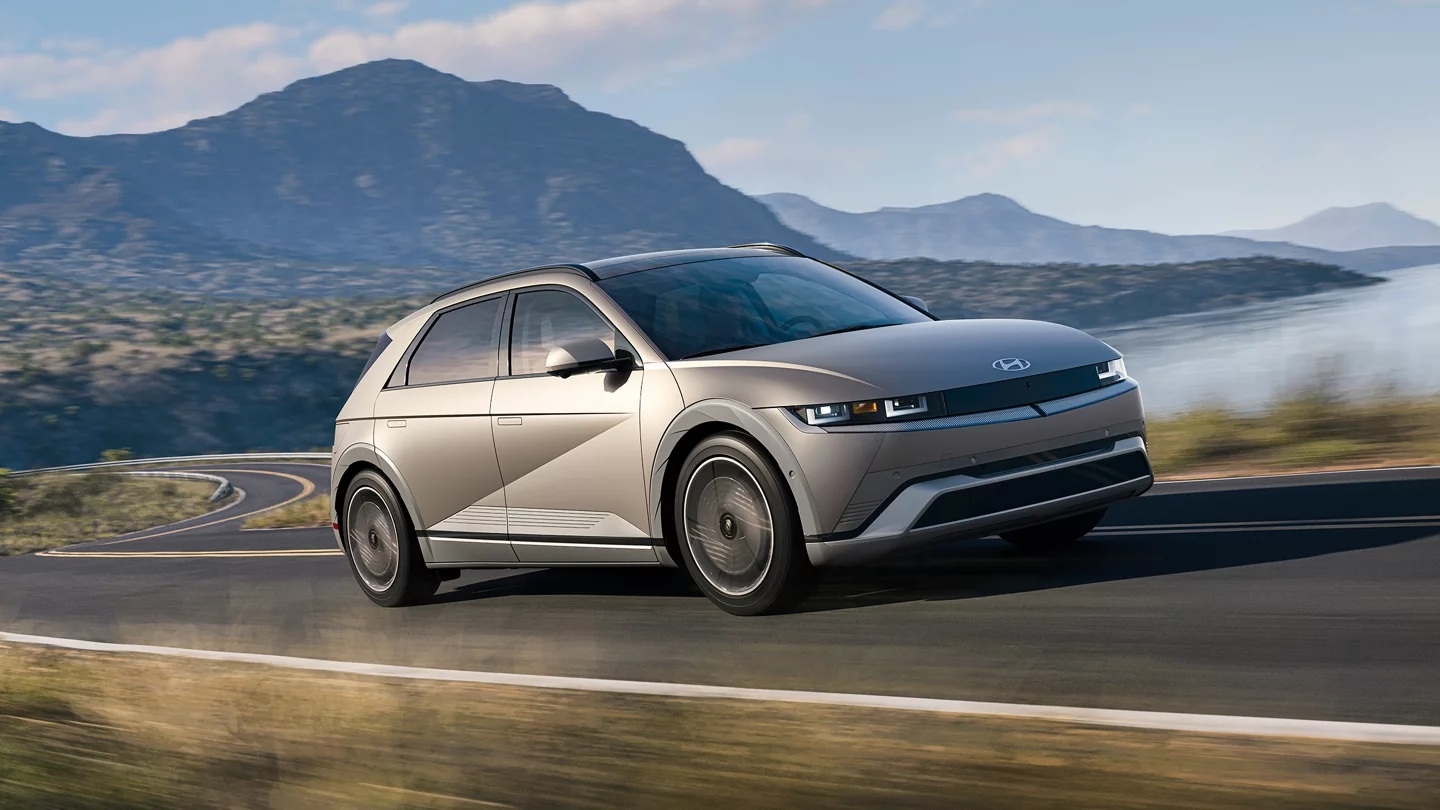
The IONIQ 5 is a two-row electric crossover with seating for five. Its upright cabin and rear hatch make it a practical starting point for shoppers who want one vehicle for commuting, errands, and weekend gear.
IONIQ 6: The Five-Passenger Electric Sedan
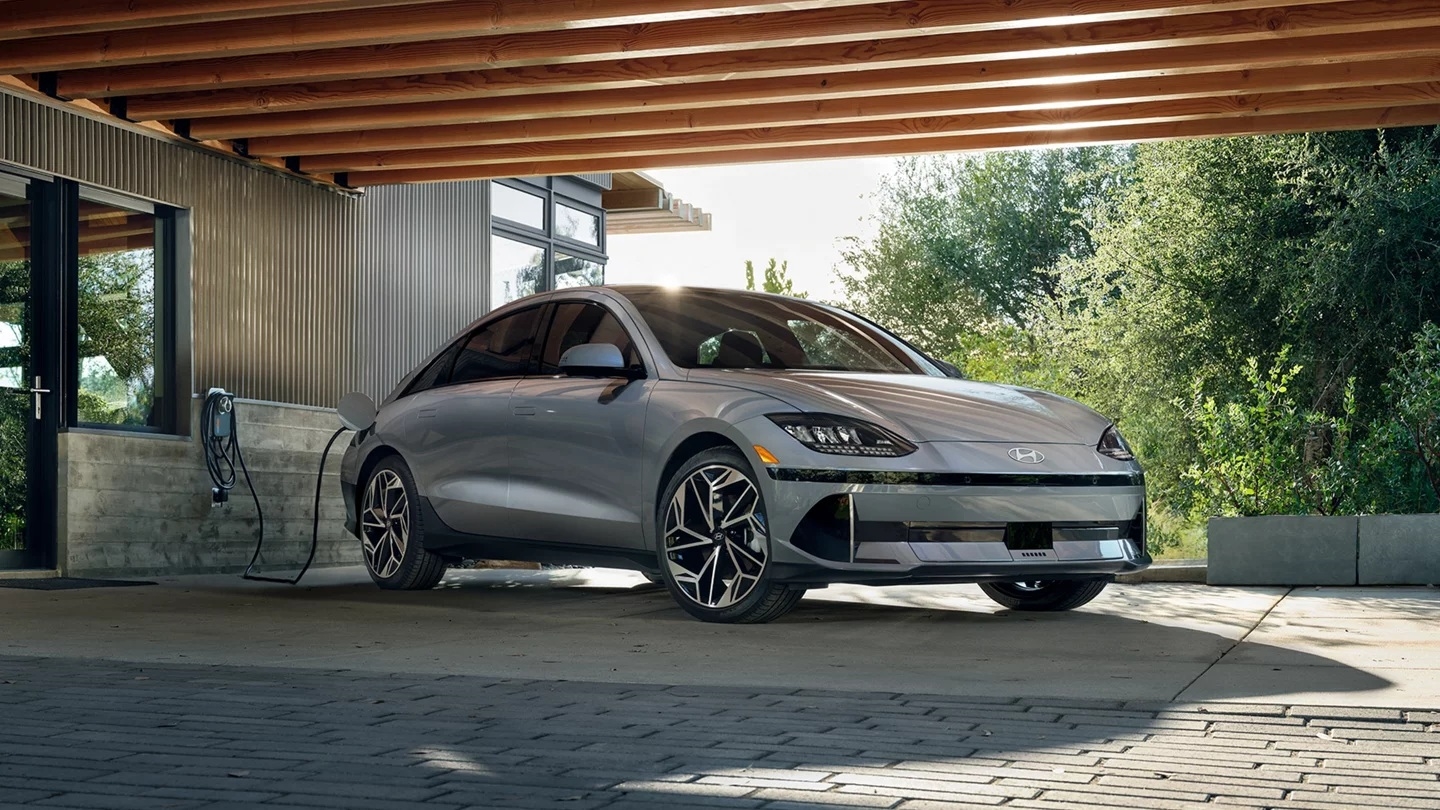
The IONIQ 6 is a five-passenger electric sedan. Its aerodynamic shape emphasizes efficiency, while its separate trunk offers a different loading experience than an SUV's cargo area. It makes sense for drivers who prefer a lower seating position and sedan styling.
IONIQ 9: The Three-Row Electric SUV
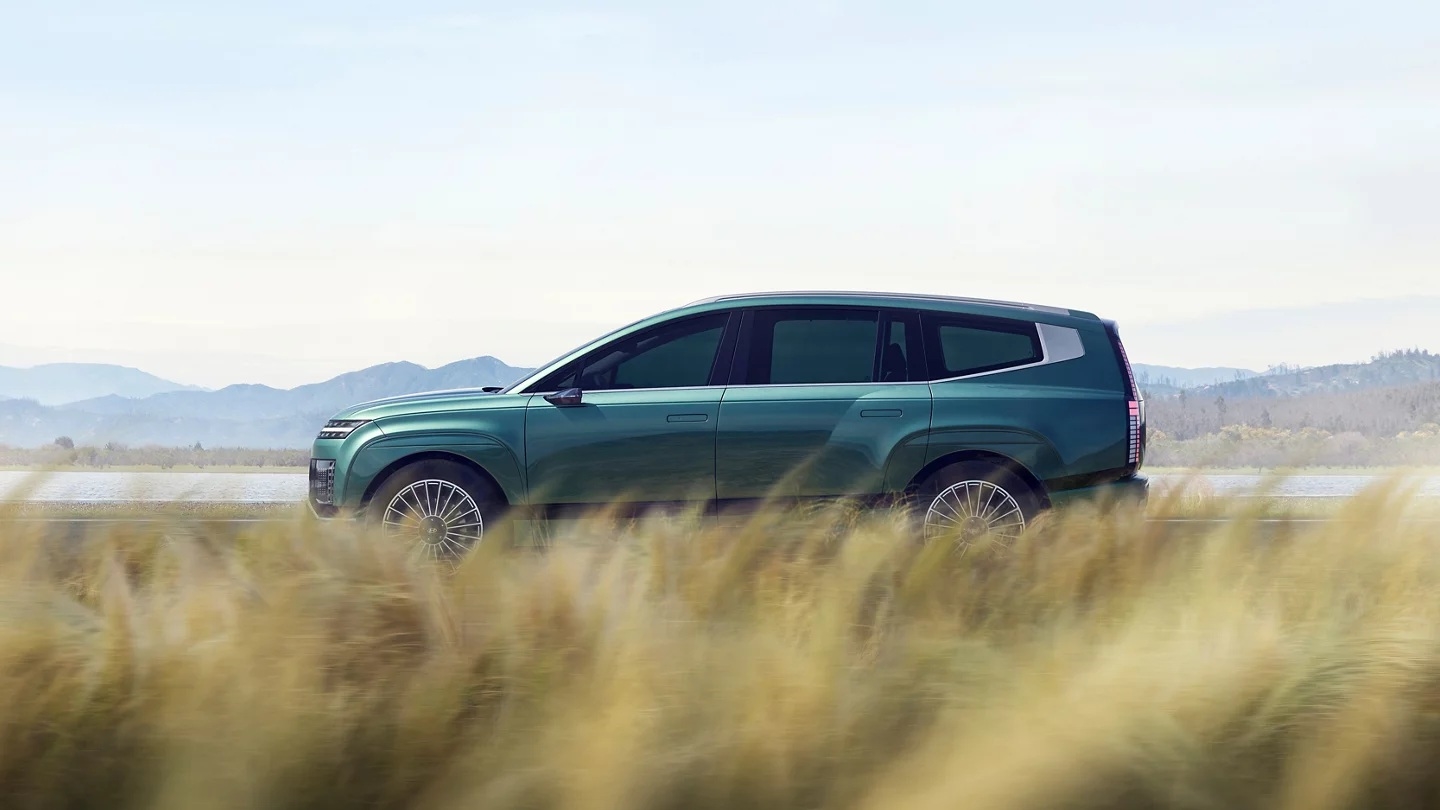
The IONIQ 9 is a three-row electric SUV with six- or seven-passenger seating, depending on configuration. It addresses a different requirement: carrying more people without leaving Hyundai's fully electric lineup.
For an electric SUV comparison, start with whether you need two rows or three. For an electric sedan comparison, consider whether the IONIQ 6's trunk and seating position fit your routine better than a crossover.
Which Hyundai EV makes the most sense for commuting around Tustin?
For a commute from Tustin to Irvine, the IONIQ 6 deserves consideration if you usually travel alone or with one passenger. Its streamlined design helps reduce aerodynamic drag, making efficiency a central part of its appeal. However, range varies by trim and drivetrain, so compare the specific vehicle rather than assuming every version delivers the same result.
The IONIQ 5 may be the better all-purpose commuter if your workday also includes school pickup or transporting larger items. Its hatchback layout gives you more flexibility without requiring a third row.
When we discuss Hyundai technology for everyday commuting, we focus on features you will actually use, such as navigation, driver-assistance equipment, and charging information. Equipment varies by model year and trim, and assistance systems still require an attentive driver.
During a test drive, check visibility, seat adjustment, control placement, and how the vehicle feels in your usual mix of streets and freeway driving.
How do these EVs compare on family space and practicality?
Passenger count is the first filter, but loading access and seating layout matter just as much.
IONIQ 5 Space and Cargo
The IONIQ 5 offers five seats and a cargo area accessible through a rear hatch. Folding the rear seats expands its carrying flexibility, making it a useful option for households that need room for larger items but rarely carry more than five people.
IONIQ 6 Space and Cargo
The IONIQ 6 also seats five, though its trunk opening is less accommodating for tall or bulky cargo than an SUV's hatch. That does not make it impractical. It means shoppers should evaluate the shape of what they carry, not just cargo-volume figures.
IONIQ 9 Space and Cargo
The IONIQ 9 is the choice when a third row is a regular requirement. Six- and seven-passenger configurations offer different second-row arrangements, so consider access to the back seats and how your household will use each row.
For family outings to Anaheim, compare luggage space with the seats you need occupied. Maximum cargo capacity with seats folded does not describe the room available when everyone comes along.
Browse our current selection at Tustin Hyundai, then schedule a test drive to compare seating and cargo access. Bringing your usual stroller or other bulky gear can make that comparison more useful.
How should charging needs affect your choice?
A Hyundai EV comparison is incomplete without a charging plan. Start with where the vehicle will charge most often: home, work, or public stations.
Home Level 2 Charging
Home Level 2 charging uses a suitable 240-volt setup and can make replenishing daily driving miles convenient. Installation requirements depend on your property and electrical system. Apartment and condominium residents should confirm access and permissions before treating home charging as a given.
Public DC Fast Charging
Public DC fast charging serves a different purpose, particularly on longer trips. These IONIQ models support fast charging, but the experience depends on the vehicle, charger compatibility, station output, battery temperature, and starting charge level.
Your Charging Checklist
- Reliable charging access near home or work.
- Typical weekday mileage and occasional longer drives.
- The charging port and adapter requirements of the exact vehicle.
- Compatible fast-charging locations along regular travel routes.
We approach Hyundai technology for modern Tustin driving as a practical ownership conversation, not just a feature list. Charging information and route planning are most valuable when they fit your schedule.
Which IONIQ model is better for longer trips?
All three can support longer journeys, but their strengths differ. The IONIQ 6 appeals to drivers who prioritize efficiency and do not need SUV-style cargo access. The IONIQ 5 balances passenger comfort with flexible loading, while the IONIQ 9 accommodates larger groups.
Understanding Range Estimates
Range needs careful context. Hyundai lists up to 342 miles of EPA-estimated range for the 2025 IONIQ 6 SE rear-wheel-drive configuration. The 2026 IONIQ 9 S rear-wheel-drive configuration is rated at up to 335 miles. Those figures apply to specific versions, not every vehicle bearing those names.
Actual range varies with speed, weather, driving habits, vehicle configuration, and other conditions. For trip planning, compare the exact trim's EPA estimate alongside compatible charging stops. The highest range figure is not automatically the best choice if the seating or luggage arrangement does not work for your passengers.
Where can Tustin shoppers compare the IONIQ lineup?
The most useful comparison combines research with time inside the vehicles. Check how easily passengers enter, how the seats fit, and whether the cargo opening works for your routine. Our Hyundai-focused team can help you distinguish model-year and trim differences rather than relying on broad lineup descriptions.
Visit Tustin Hyundai in Tustin, part of our parent dealer group, Patterson Autos, to explore our current selection of Hyundai electric vehicles for sale. Browse available inventory, contact us to confirm the IONIQ models and configurations you want to compare, and schedule a test drive. We will help you match passenger needs, driving habits, and charging access to the Hyundai EV that fits your everyday life.