How the 2027 Kona and Boulder Concept Reflect Hyundai's Future
Hyundai's future is taking shape in more than one direction. The 2027 Kona brings a familiar small SUV nameplate into another model year, while the Boulder Concept explores a rugged, body-on-frame path with implications beyond its SUV silhouette. Here at Tustin Hyundai, part of our parent dealer group, Patterson Autos, we help Tustin drivers separate vehicles they can shop for from ideas that preview what comes next. The 2027 Kona vs Boulder Concept comparison is less about choosing a winner and more about understanding two different priorities: everyday versatility and future capability.
Key Takeaways
- The 2027 Hyundai Kona is a production small SUV, while the Boulder Concept is a design study that is not available for sale.
- The Kona's everyday focus differs from the Boulder's off-road-oriented proportions, equipment, and body-on-frame architecture.
- Boulder previews the architecture and priorities behind a forthcoming Hyundai midsize pickup, not a confirmed production SUV.
- Shoppers should evaluate current vehicles using published specifications and treat concept features as possibilities rather than promises.
How does the 2027 Kona compare with the Boulder Concept?
The biggest difference is purpose. The 2027 Hyundai Kona belongs to Hyundai's production lineup, with defined trims, equipment, and powertrain choices. The Boulder Concept gives designers room to explore a different kind of vehicle without presenting it as a showroom-ready product.
For someone commuting between Tustin and Irvine, the Kona comparison starts with practical questions about driving feel, passenger space, cargo flexibility, and available features. The Boulder's oversized tires and upright proportions speak to a different audience, particularly drivers interested in challenging terrain and truck-oriented utility.
That distinction keeps the comparison useful. Kona represents a vehicle shoppers can evaluate through specifications and a test drive, subject to local availability. The Boulder represents a direction Hyundai is exploring. Its appearance does not establish the equipment, performance, or availability of a future production SUV.
What does the 2027 Kona offer for everyday driving in Tustin?
Engine and Drivetrain Choices
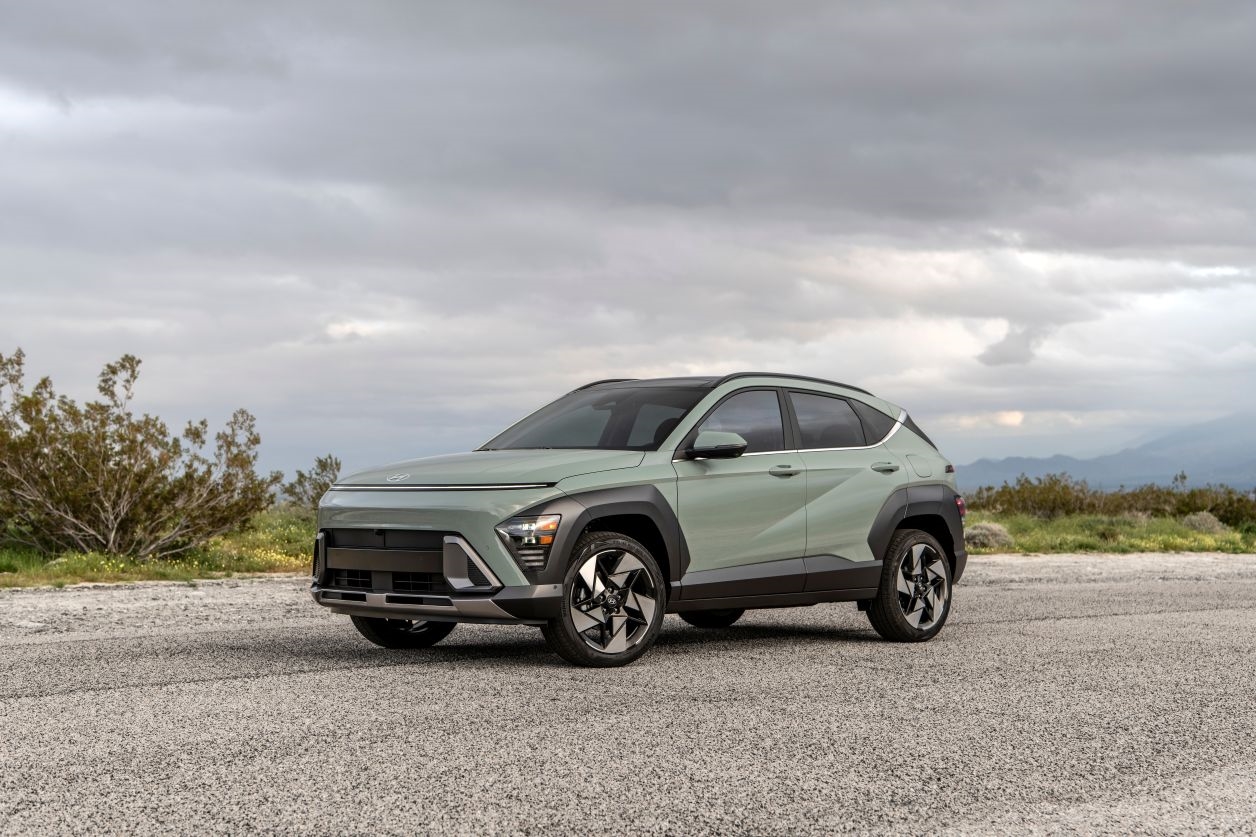
The 2027 Kona offers two gasoline engine choices across its trim lineup. SE and SEL Sport use a 2.0-liter four-cylinder engine, while SEL Premium and Limited use a turbocharged 1.6-liter four-cylinder. Front-wheel drive and available all-wheel drive give shoppers another meaningful point of comparison.
These choices make it worth comparing individual trims rather than treating every Kona as identical. The engine, drivetrain, and equipment combination can influence which version fits your routine. We recommend starting with how you drive, then narrowing the selection around the features you will actually use.
Everyday Versatility
Hyundai Kona versatility for everyday adventures means balancing weekday responsibilities with room for weekend plans. For Tustin shoppers, that can mean choosing a small SUV that suits familiar streets while still accommodating passengers and gear when the schedule changes.
If you are browsing Hyundai SUVs for sale in Tustin, explore our current selection at Tustin Hyundai and compare available Kona trims. Our team can help clarify equipment differences and arrange a test drive so your decision rests on the actual vehicle, not just its appearance.
Is the 2027 Kona part of Hyundai's next design direction?
The 2027 Kona is part of Hyundai's current production story, but it should not be described as a production version of the Boulder. Its futuristic styling and small-SUV role differ from the concept's upright, truck-like proportions.
Hyundai future design does not have to mean one appearance applied to every vehicle. A model developed around everyday driving can look and function differently from a concept focused on off-road exploration. Different shapes can reflect different customer priorities rather than a single replacement strategy.
The useful connection is broader: Hyundai is serving familiar vehicle segments while investigating new ones. The Kona shows how the brand addresses established small-SUV needs. The Boulder suggests how Hyundai could expand its reach into vehicles with a stronger emphasis on rugged utility. Neither role makes the other obsolete.
What does the Boulder Concept preview for Hyundai's future?
A Concept With a Production Connection
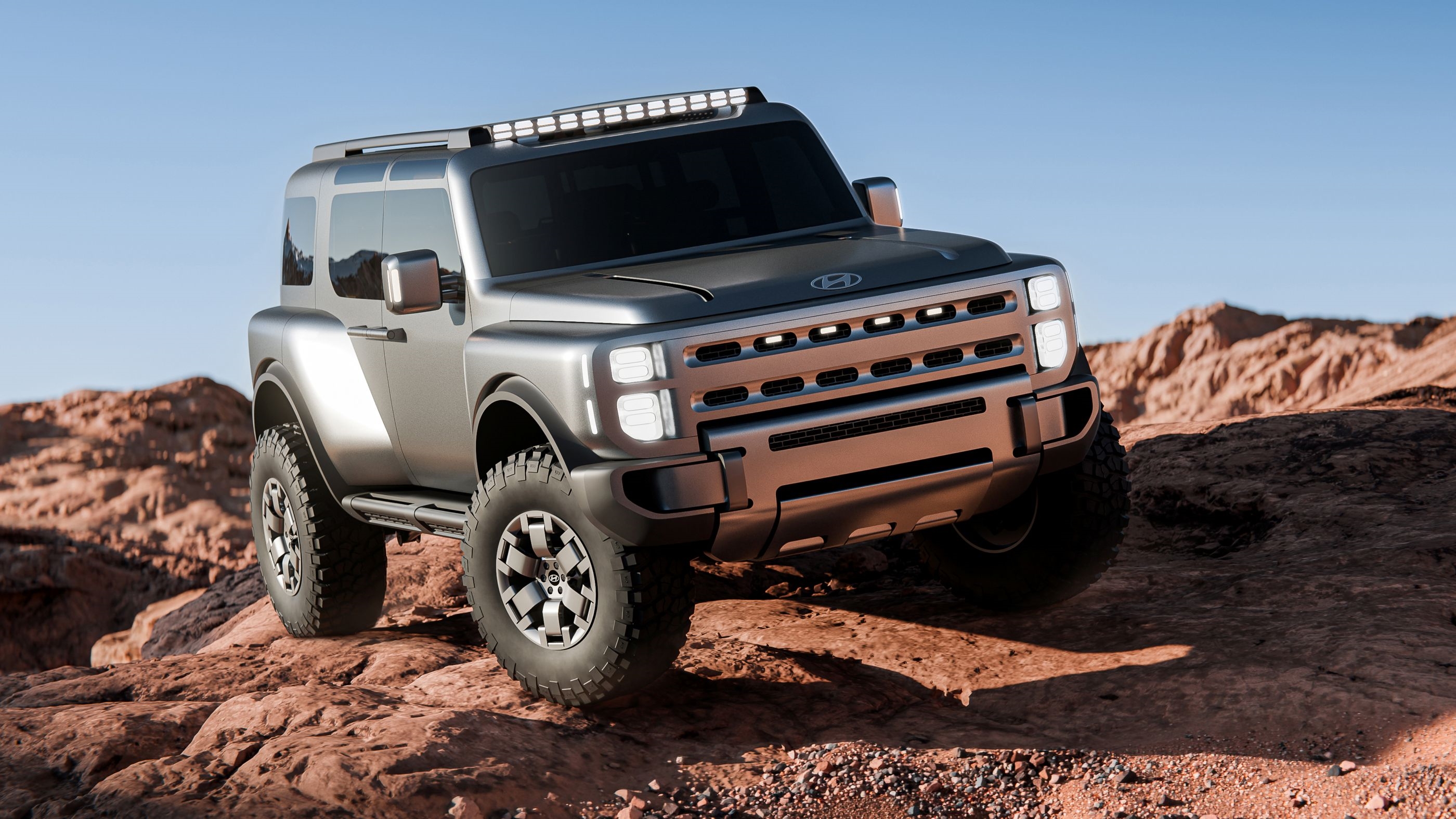
Hyundai unveiled the Boulder Concept at the 2026 New York International Auto Show. Although it takes the shape of an SUV, its clearest confirmed production connection is a forthcoming midsize pickup using Hyundai's first fully boxed body-on-frame architecture.
That detail matters because an SUV-shaped concept can easily create expectations of an upcoming SUV with the same name and appearance. Hyundai describes the Boulder as a design study. It previews construction, proportions, and functional priorities rather than confirming that this exact vehicle will reach dealerships.
Art of Steel and American Development
The Boulder's development was led by Hyundai Design North America's Southern California team. Its "Art of Steel" design philosophy emphasizes steel's strength and formability through sculpted surfaces and functional details. Hyundai also says its future body-on-frame vehicles will be designed, developed, and built in America using Hyundai-produced U.S. steel.
The Boulder therefore offers a specific window into Hyundai's future vehicle direction: expansion toward truck-oriented capability, supported by a new architecture and an American-focused development approach.
Why does body-on-frame architecture matter in this comparison?
The Boulder's body-on-frame architecture is central to its identity, not merely a styling cue. Hyundai describes a stout, ladder-frame-style structure associated with vehicles developed for serious off-roading, towing, and hauling.
The concept pairs that structure with 37-inch mud-terrain tires and proportions designed around favorable approach, departure, and breakover angles. Those angles concern how a vehicle encounters obstacles at its front, rear, and underside. Together, these elements explain why the Boulder looks so different from an everyday small SUV.
However, construction alone does not establish a vehicle's capability. Shoppers still need production specifications for towing capacity, payload, ground clearance, and other performance measures. The Boulder's design communicates intended priorities, but it should not be used to assign unannounced capability figures to future Hyundai vehicles.
What makes the Boulder Concept different from a production SUV?
Concept vehicle design allows Hyundai to demonstrate ideas without promising that every detail will survive production development. The Boulder includes coach-style doors, fixed upper safari windows, and a double-hinged rear tailgate designed to open from either side.
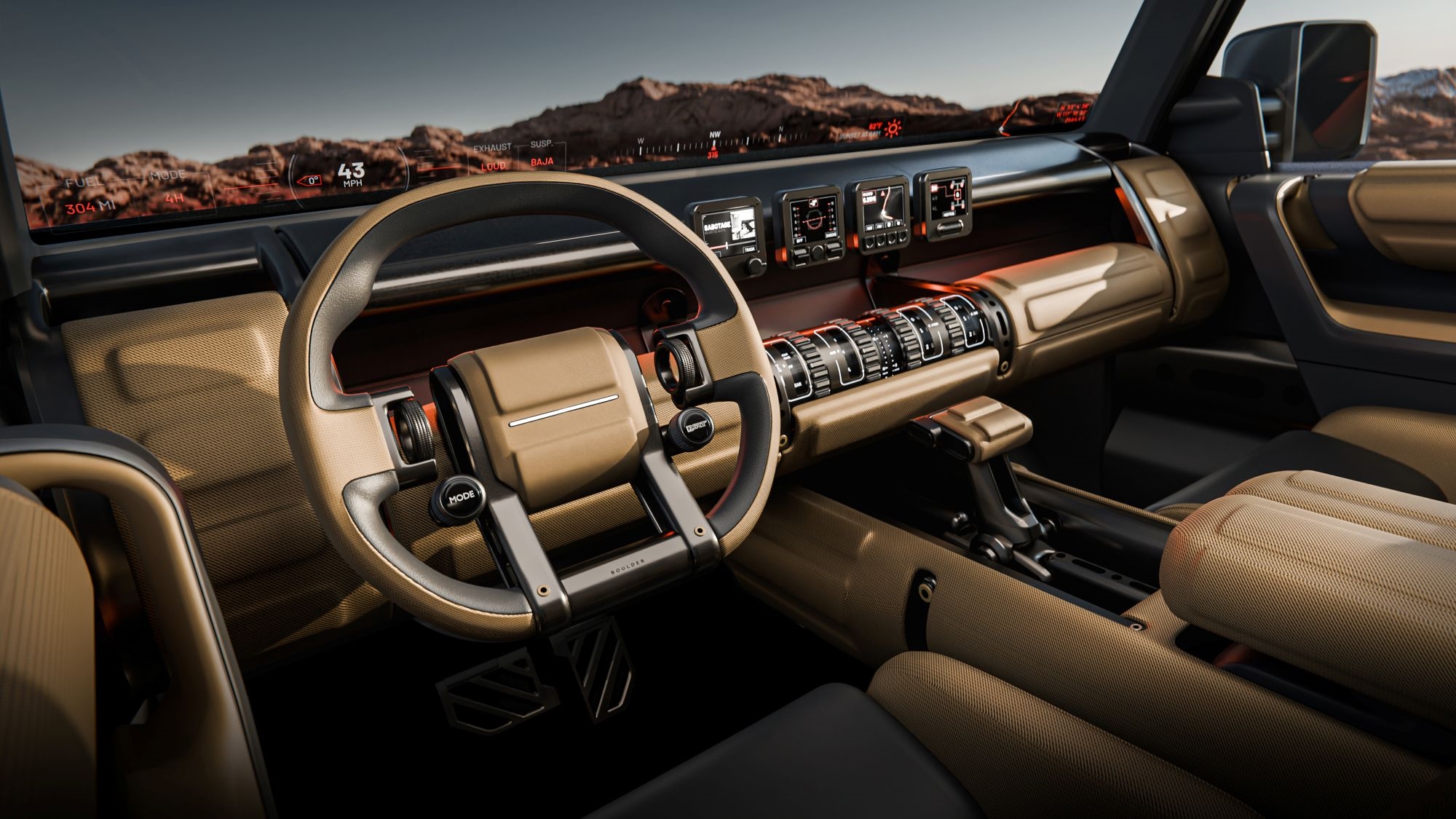
Its interior explores durable touchpoints, physical knobs and buttons, and fold-out tray tables. Hyundai also describes software-driven, real-time off-road guidance that acts like a digital spotter. These features help explain the concept's intended use, but they are not a confirmed equipment list for a future showroom vehicle.
For a driver visiting from Orange, that distinction makes concept coverage easier to interpret. Enjoy the design and follow its production implications, but do not assume its doors, tires, interior layout, or technology will appear unchanged in a vehicle available to purchase.
What should shoppers take from Hyundai's current and concept vehicles?
Use current vehicles to make a buying decision and concepts to understand the brand's ambitions. The Kona has published specifications that support trim comparisons. The Boulder offers insight into a new capability-focused direction, with important production details still to come.
Visit Tustin Hyundai in Tustin, part of our parent dealer group, Patterson Autos, to browse our current selection of Hyundai vehicles and ask about 2027 Kona availability. Schedule a test drive in an available model, compare the features that matter to you, and let our team help you turn interest in Hyundai's future into a well-informed choice today.
*Penned by AI, polished by humans